August 13, 2026
Tree care is often perceived as an aesthetic choice; however, its impact goes beyond beauty, extending into economic realms such as property value. This article delves into the complex relationship between tree care and property investments by examining various facets such as economic, environmental, and social dimensions. By investigating these angles, we aim to provide a comprehensive understanding of how strategic tree maintenance can enhance property value and appeal.
Understanding Tree Care Basics
The Importance of Regular Maintenance
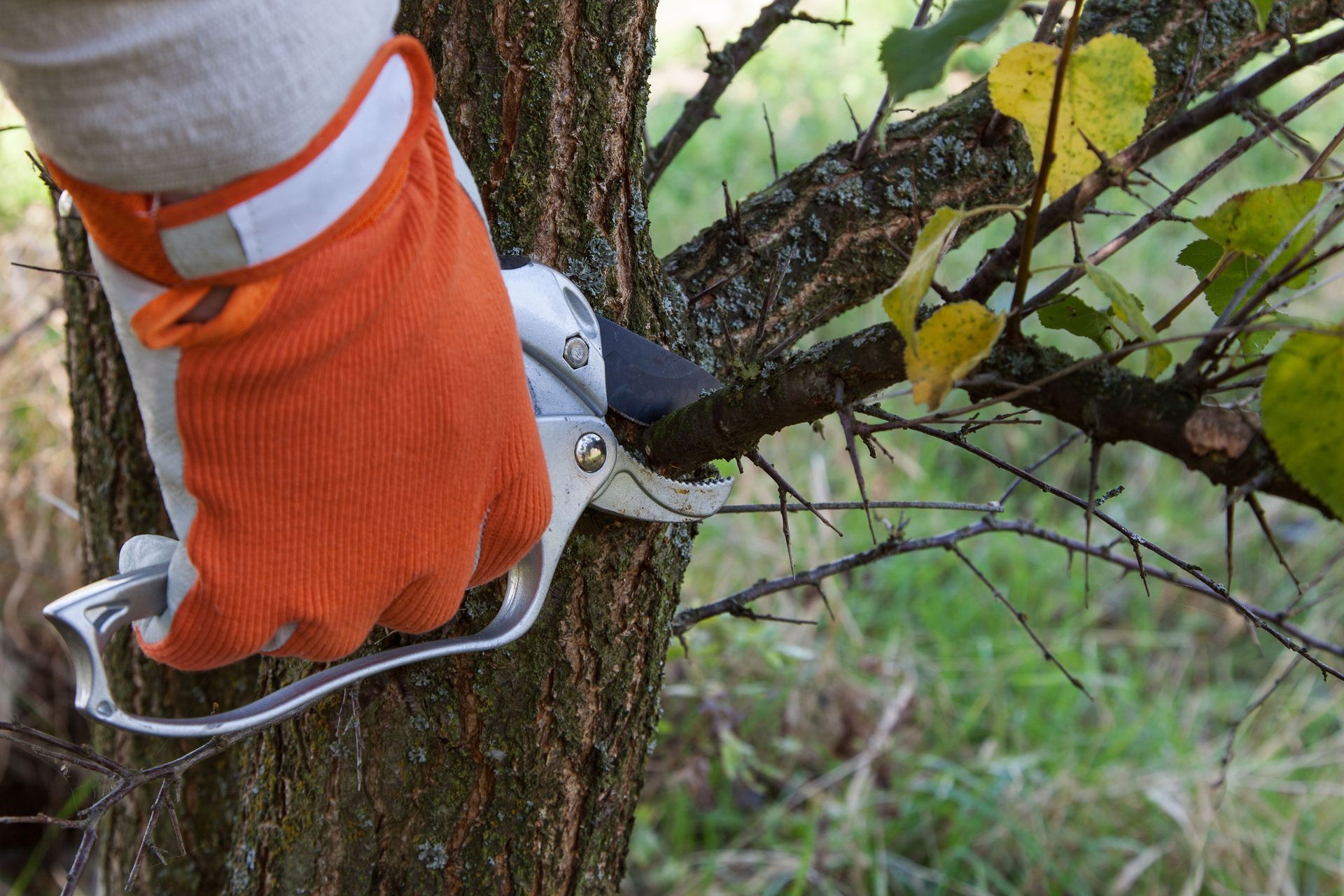
Regular maintenance is essential to preserving the health and aesthetic appeal of trees within properties. Neglected trees can develop diseases or die prematurely, reducing their visual and economic value. Pruning, watering, and disease control are fundamental practices to ensure tree longevity and vibrancy. These efforts not only enhance the tree's health but also contribute to the safety of the property by preventing hazards like falling branches. Therefore, consistent tree care plays a crucial role in maintaining the property's overall appeal and value.
Types of Tree Care Services
Tree care services are diverse, ranging from basic pruning to complex disease treatment and fertilization. Arborists, or tree care professionals, provide expert services tailored to individual tree species and their specific needs. Services may include pest control or soil management, which are essential for promoting strong growth and preventing infestations. Each service contributes to the tree's health and appearance, which in turn affects the property’s curb appeal and value. Varied services are necessary as every tree requires specific care to maximize its potential contribution to property worth.
Seasonal Tree Care Practices
Seasonal tree care is critical because different weather patterns dictate specific tree maintenance tasks. In spring, trees benefit from fertilization to strengthen after the winter, while summer is ideal for managing pests. During autumn, preparatory practices like mulching and pruning are essential to ready trees for the winter. Each season offers opportunities to undertake specific tasks that help maintain tree health and support property value through sustained and appropriate care. Seasonal maintenance ensures root system health and prepares trees for potential climatic stressors.
Identifying Common Tree Problems
Identifying common tree issues such as pest infestations, diseases, and nutrient deficiencies is crucial for property maintenance. Timely recognition allows for swift intervention, preventing problems from escalating and causing irreversible damage. Regular inspections are vital, as many tree problems are visible only to trained eyes, necessitating professional expertise. Early detection means that intervention can be both timely and more cost-effective, minimizing impact on tree health and indirectly maintaining property value. Consequently, proper diagnosis is a proactive step in preserving a property's greenery.
The Role of Tree Care Professionals
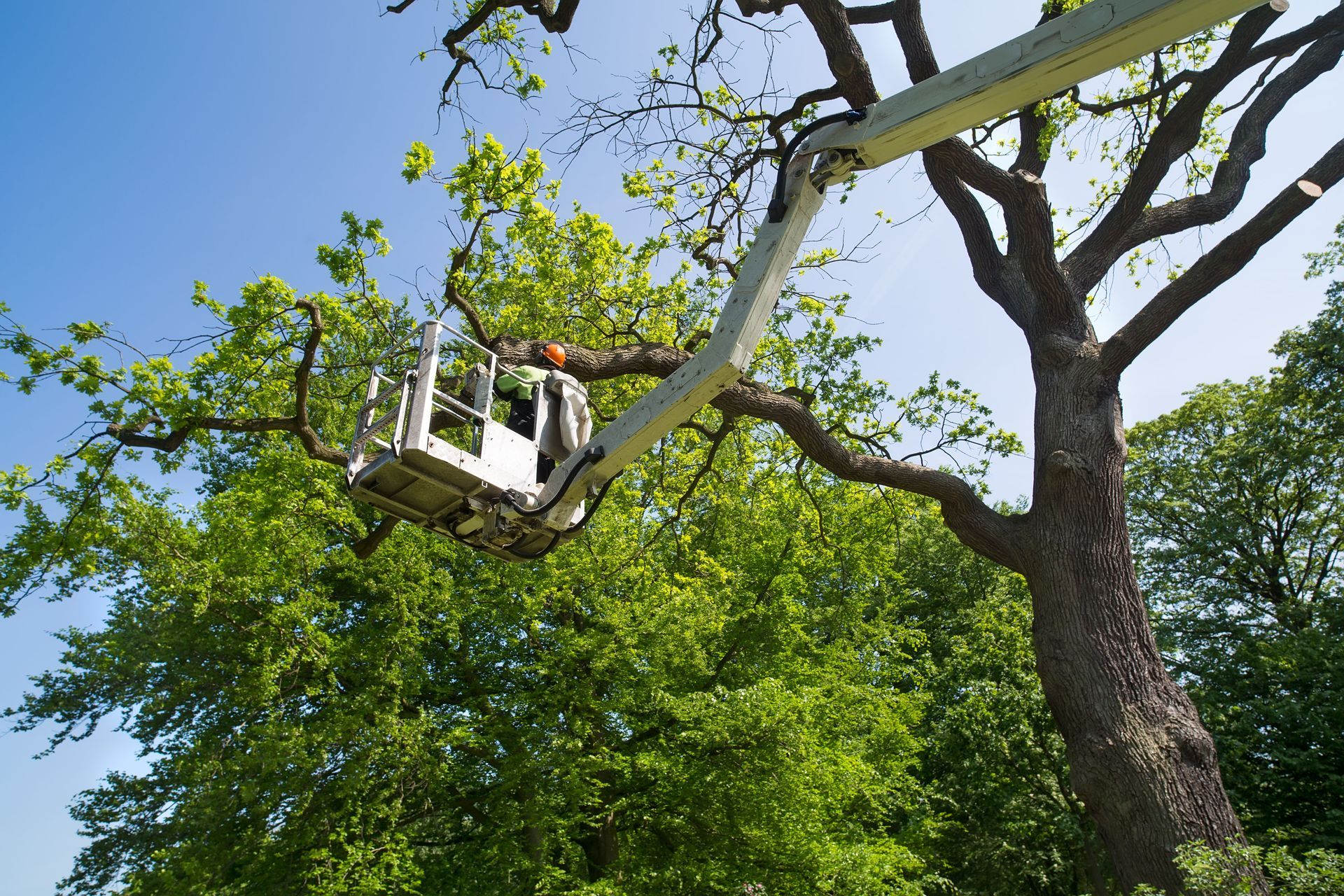
Tree care professionals, or arborists, play a critical role in maintaining the health and aesthetics of trees surrounding properties. Armed with extensive knowledge and tools, they provide essential guidance on appropriate care strategies tailored to different tree species. Their expertise is invaluable not only in risk management but also in maximizing a property's appeal through strategic vegetation management. Arborists enhance the safety of residential spaces by addressing potential hazards caused by weakened or diseased trees. Engaging certified professionals ensures comprehensive care and optimal tree performance that supports property value.
The Relationship Between Tree Health and Property Value
How Tree Health Impacts Curb Appeal
Tree health directly affects a property's curb appeal, acting as a natural enhancer of beauty and attractiveness. Healthy trees provide shade, enhance property aesthetics, and add a serene, welcoming ambiance to the surroundings. Conversely, diseased or poorly maintained trees detract from the property's overall appearance, potentially affecting first impressions and buyer interest. Buyers are often drawn to properties with lush, lively greenery as they signify care and maintenance. Therefore, robust tree health plays a pivotal role in boosting property attractiveness and perceived value.
Correlating Tree Health with Property Appraisals
Tree health holds significant weight in property appraisals as it signs potential added value and appeal. Appraisers consider factors such as the age, condition, and diversity of tree species in their overall assessment. Healthy trees can increase appraised value by enhancing landscape aesthetics and contributing to energy savings through natural insulation. The presence of mature trees is particularly impactful, often considered a valuable asset that raises the associated property value. Ultimately, trees in excellent condition can positively tilt an appraisal outcome by communicating meticulous care and landscape quality.
Studies Linking Tree Care to Property Sale Prices
Numerous studies have identified a clear link between proficient tree care and increased property sale prices. Research reveals that homes with well-maintained trees tend to sell faster and at higher prices compared to properties lacking in mature vegetation. Trees create a polished landscape, enticing buyers who value environmental aesthetics and sustainability. Economic assessments consistently show that investing in tree care can yield notable returns by amplifying the property's market appeal. Such findings reinforce the notion that tree health is intrinsically tied to property value outcomes.
Valuation Metrics Involving Landscaping Quality
Valuation metrics used in real estate often incorporate landscaping quality as a key determinant of property worth. Trees, as integral components of landscaping, significantly amplify this aspect by providing aesthetic and ecological benefits. The presence of thriving trees reflects well on landscape management, translating into higher valuation figures. Metrics such as shade provision, species diversity, and tree maturity are considered indicators of quality landscape investment. Well-curated landscapes enhance the overall valuation of a property, underscoring the importance of diligent tree care.
Impact on Buyer Perception and Decision Making
Buyers often perceive well-maintained landscapes as indicative of a well-cared-for property overall. Trees not only enhance curb appeal but also create a tranquil, pleasant atmosphere that can sway buyer decisions. Properties with appealing tree coverage often evoke a sense of completeness and forethought, appealing to prospective buyers who value such foresight. Buyer decision-making processes frequently incorporate aesthetic and ecological considerations, with trees serving as compelling selling points. Thus, trees serve as powerful influencers, shaping perceptions and encouraging decisions that contribute to higher property sales.
Economic Analysis of Tree Care Investment
Cost-Benefit Analysis of Tree Care
Investing in tree care represents a balance of initial costs and long-term benefits. Homeowners may incur costs related to professional services, materials, and ongoing maintenance, yet these investments often culminate in substantial property value enhancements. The benefits, in terms of aesthetic appeal, energy savings, and sale price increments, frequently outweigh the initial expenditure. Analyzing the cost-benefit scenario highlights that tree care is not merely a vanity expense but a strategic financial move. Given the pace of the tree services market's growth, the projected increase of $1.49 billion to $1.7 billion by 2026 emphasizes the widespread recognition of these economic advantages.
Long-term Financial Benefits
Tree care leads to long-term financial benefits that extend beyond immediate property valuation increases. Mature trees contribute to energy savings by providing shade that reduces air conditioning costs and improving warmth retention in winter months. Additionally, healthy trees can reduce stormwater runoff and erosion, mitigating repair costs linked to property damage. The continual appreciation in value that well-maintained trees provide ensures a sustainable financial gain for property owners. Consequently, tree care constitutes a decade-spanning investment, steadily amplifying property worth and appeal.
Throughout this article, we have explored the multi-faceted impact of tree care on property value, highlighting its economic, environmental, and social dimensions. Comprehensive tree maintenance not only boosts aesthetic appeal and property valuation but also provides ecological benefits vital for sustainable urban living. As the industry continues to innovate and adapt to changing consumer values, homeowners and real estate professionals should prioritize tree care as a strategic and forward-thinking investment that ensures lasting value enhancement. According to Research and Markets, the tree services market size will grow from $1.49 billion in 2025 to $1.7 billion in 2026 at a compound annual growth rate (CAGR) of 14.1%. Be sure to reach out to Area Tree Service today to learn more about our professional tree services!