June 16, 2026
Trees are some of the most beautiful assets on your property, providing shade, privacy, and incredible curb appeal. However, when branches grow too close to your roof or encroaching power lines, those beautiful assets can quickly transform into expensive liabilities. Understanding exactly how close is too close will help you protect your investment, maintain your safety, and know precisely when it is time to call a professional for assistance.
Assessing the Clearances Over Your Roof
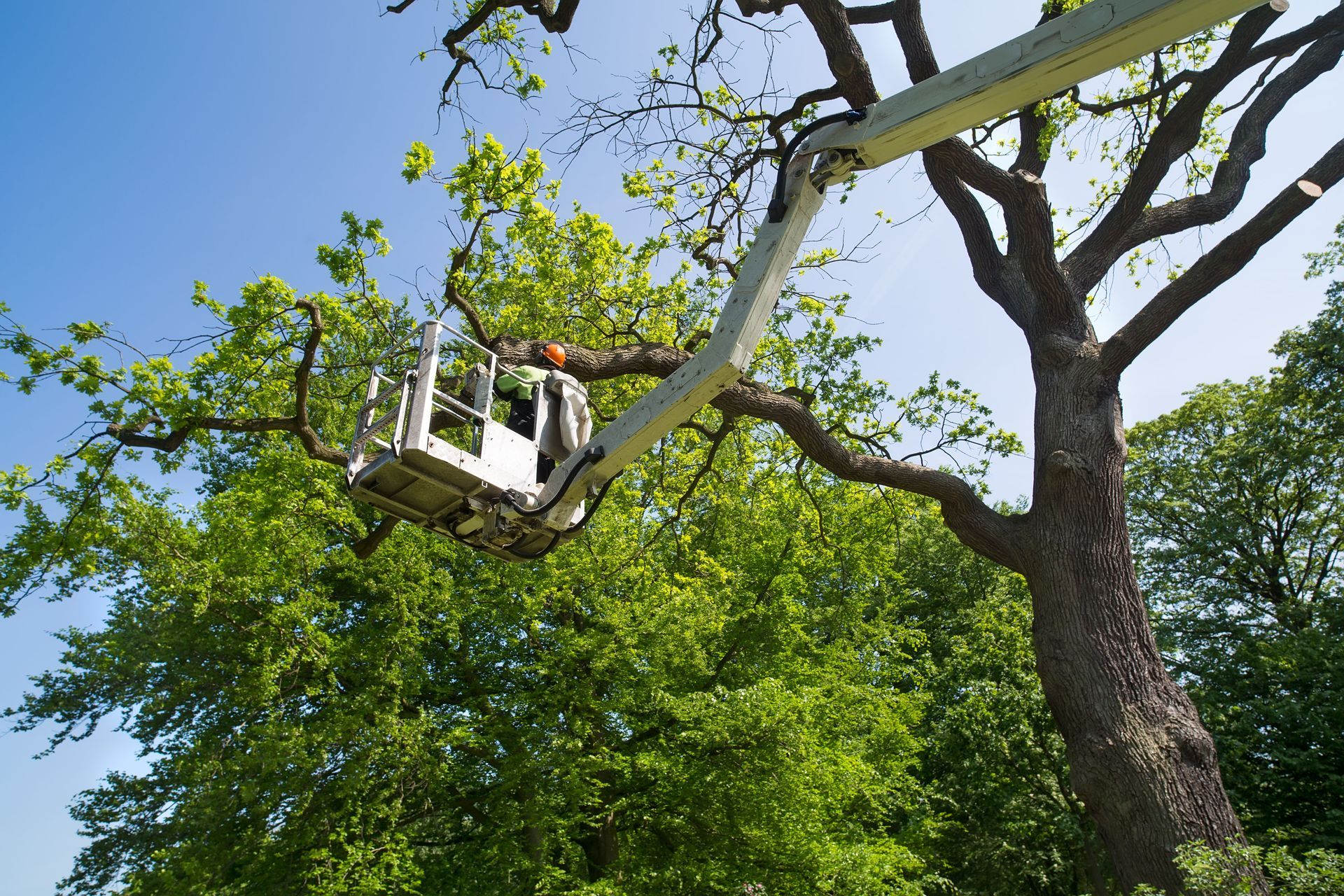
When it comes to your home's roof, distance is your first line of defense against costly structural damages. As a general rule of thumb, tree branches should be kept at least 10 feet away from your roofline to prevent structural issues, mold accumulation, and easy access for pests. When branches hang directly over your shingles, they drop leaves and needles that trap moisture, accelerate rot, and dramatically shorten the lifespan of your roof. This dense accumulation of organic debris creates a prime breeding ground for wood-boring insects and destructive carpenter ants, which can easily transition from the damp leaves directly into your attic spaces.
Furthermore, strong winds can cause these heavy limbs to scrape violently against your roofing materials, stripping away the protective granules on your asphalt shingles or puncturing the waterproof underlayment membrane entirely. This constant, abrasive friction wears down your home's exterior defense system long before its natural expiration date. If you notice large limbs bowing under their own weight above your home, consulting an experienced tree removal company is the safest way to evaluate the risk. They can help you determine whether a strategic trim will suffice or if the entire structure poses too much of a threat to your household.
Evaluating the Distances from Power Lines
High-voltage power lines require strict adherence to clearance zones because the combination of wood and electricity can be incredibly volatile. For secondary service drops—the lines running directly from the utility pole to your home—branches should never be allowed to make direct contact or rest their weight on the wires. For major distribution lines running along the street, utility guidelines generally require a safety clearance zone of at least 10 to 15 feet in all directions. When dense foliage bridges the gap between these active high-voltage lines, it creates a dangerous pathway known as "fault current," which can trigger localized explosions, blast out costly transformers, or spark catastrophic wildfires in residential neighborhoods.
Trees growing within these standard boundary zones present severe electrocution and fire hazards, especially during severe weather conditions when wet wood can act as an active electrical conductor. According to IBISWorld, there are 175,035 Tree Trimming Services in the US businesses as of 2025, an increase of 6.1% from 2024. This notable growth in the industry highlights just how critical regular clearance maintenance has become for modern homeowners who want to keep their utilities functioning smoothly and safely. As extreme weather events become more frequent, relying on certified tree removal company professionals who understand utility-approved pruning techniques is the best way to safeguard your neighborhood's power grid from unexpected interruptions.
Recognizing the Hidden Hazards of Overgrowth
While a branch scraping your shingles or swaying near a wire is an obvious visual cue, some of the most severe threats remain completely hidden from view until a storm hits. Overgrown canopies trap wind like a sail, putting immense physical stress on the trunk and root systems during high-wind events. If a tree has structural defects, co-dominant stems, or interior decay, the extra leverage from long, un-trimmed branches can cause the entire tree to split or uproot. This dangerous phenomenon, often exacerbated by saturated soil that weakens the ground's grip on the root ball, can cause thousands of pounds of timber to crash down unexpectedly.
This is exactly why relying on a trusted tree removal company for regular health assessments is so beneficial for your peace of mind. Certified professionals can identify internal vulnerabilities, fungal growths, and weak root networks that the untrained eye easily misses. They use advanced diagnostic tools to locate hollow cavities deep inside the trunk where the exterior bark looks completely healthy. Catching these structural issues early allows you to take corrective action before a severe weather event creates a dangerous emergency forcing an abrupt, costly emergency removal to take place on your property.
Inspecting Your Property for Red Flags
Proactive homeowners should perform a visual inspection of their yard's canopy at least twice a year, ideally during the spring and autumn months. Look upward to check for dead, dying, or hollow branches that could snap under the weight of heavy rain, snow, or seasonal winds. Pay close attention to how much the branches sway during a breezy day to see if they make intermittent contact with any part of your home or nearby utility equipment.
If your visual inspection reveals deep cracks in major limbs, heavy leaning, or branches intertwined with wires, it is time to step back and let the experts handle it. Hiring a licensed tree removal company guarantees that the hazard is mitigated using specialized rigging equipment and safety protocols. Attempting to cut down large branches yourself without the right training can result in severe personal injury or devastating property damage.
Understanding the Dangers of DIY Trimming
It can be tempting to grab a ladder and a chainsaw to handle low-hanging branches yourself, but working near structures and utility lines is exceptionally dangerous. Pruning large limbs requires an intricate understanding of physics, branch bark ridges, and directional fall zones to prevent the wood from swinging back into your home. More importantly, working anywhere near electrical wires carries a lethal risk of direct or indirect electrocution if a branch unexpectedly touches a live line while you are holding it.
Entrusting this highly specialized work to a professional tree removal company keeps you safely on the ground while ensuring the job is done right. Certified crews carry comprehensive liability insurance and use commercial-grade safety gear designed specifically for high-risk environments. They also know how to make proper, clean pruning cuts that encourage rapid healing, preventing diseases from invading the open wounds of your prized trees.
Selecting the Right Professional for the Job
Because the industry is expanding rapidly to meet rising residential demand, choosing a qualified team requires looking closely at credentials, safety records, and local experience. Always verify that the business you hire holds valid worker's compensation insurance and property damage liability coverage to protect yourself from financial vulnerability. A reputable tree removal company will always provide a detailed, written estimate outlining the scope of work, cleanup procedures, and total costs before any equipment is brought onto your grass.
Taking the time to read through online customer testimonials and asking about their specific safety protocols will give you confidence in their daily operations. Regular maintenance not only protects your family from sudden property damage but also enhances the long-term vitality of your local ecosystem. By keeping your canopy properly managed and beautifully spaced, you ensure that your landscape remains a safe, welcoming feature for many years to come.
Do not wait for the next major storm to find out if your property's canopy is safe. Protect your home, your family, and your investments today by scheduling a comprehensive hazard assessment with the dedicated professionals at Area Tree Service.